Serengeti Great migration
Wildlife
Jul 2, 2026
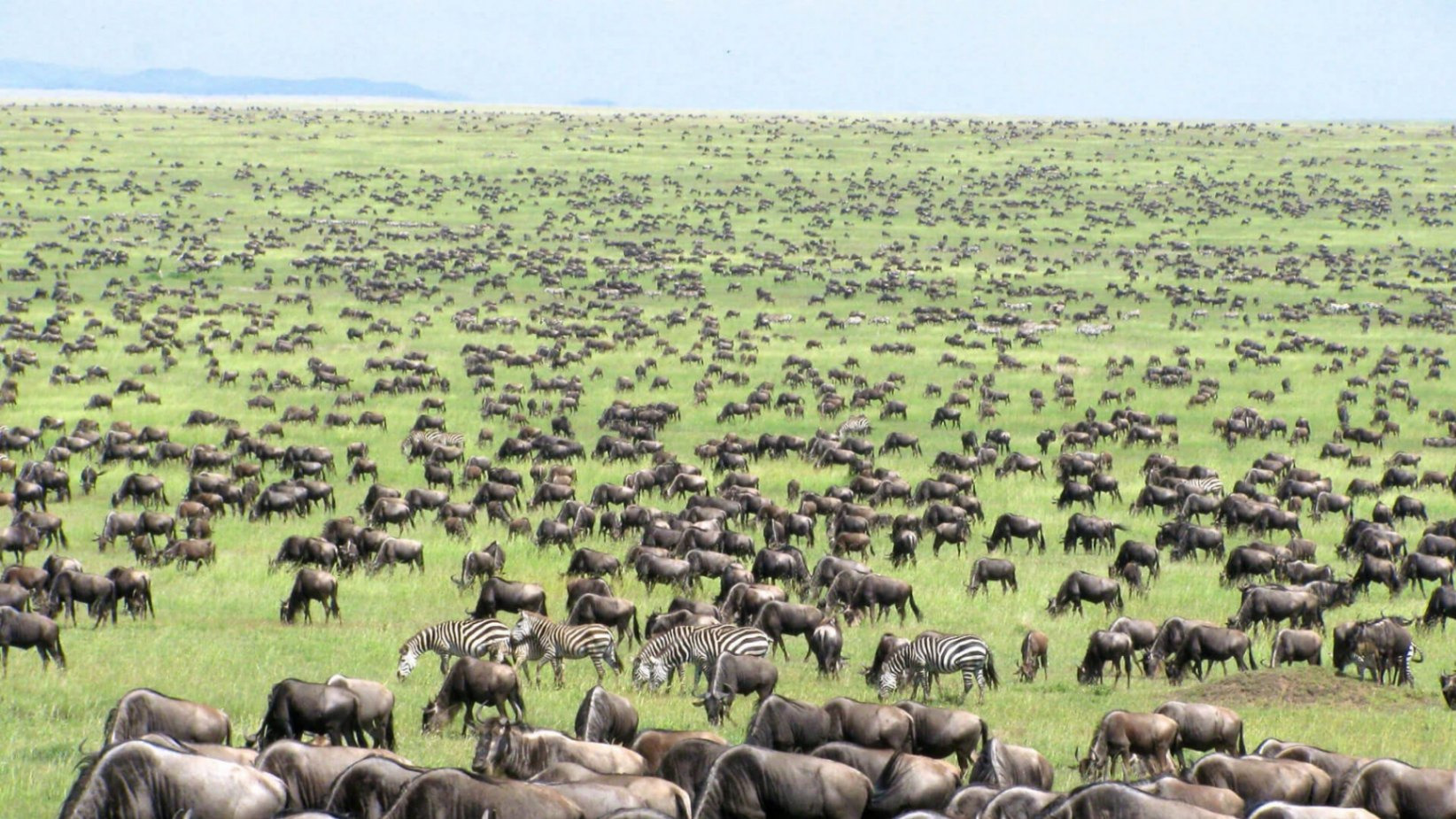
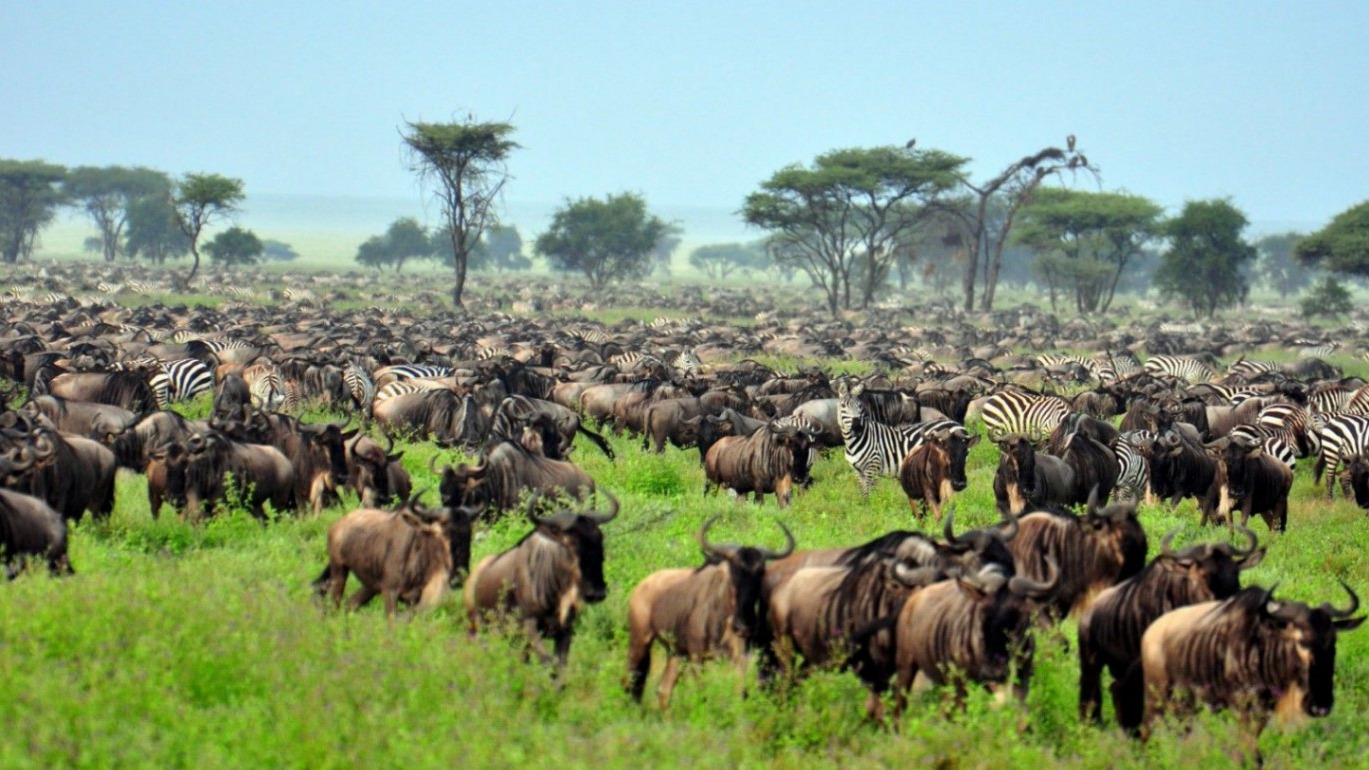
The Great Migration is the largest overland animal movement on Earth, featuring roughly 1.5 to 2 million wildebeest, plus hundreds of thousands of zebras and gazelles. Driven by seasonal rains, these massive herds circle the Serengeti ecosystem in an unending, 1,200-mile survival journey for fresh grass and water.
The Cycle of Life
There is no true start or finish to the migration, only a relentless sequence of life and death. The journey transforms across the year: [1]
- February to March (Calving Season): The herds congregate in the nutrient-rich short grass plains of the southern Serengeti and the Ngorongoro Conservation Area. Thousands of calves are born daily, providing an abundant feast for resident lion and hyena populations. [1, 2, 3, 4, 5]
- April to May (The Trek Begins): As the dry season approaches, the super-herds move north and west into the central Serengeti and Seronera Valley, bunching together for the long journey ahead. [1, 2]
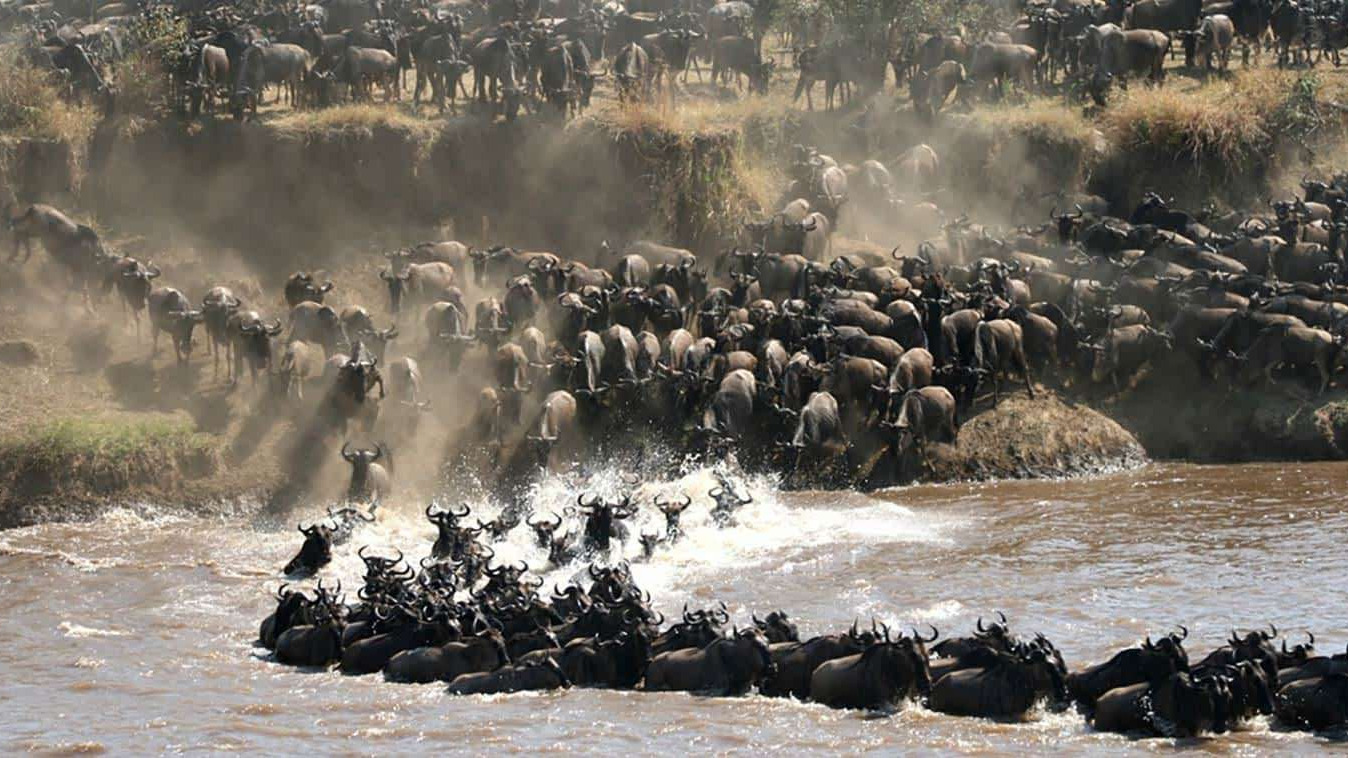
- June to July (River Crossings): By mid-year, the migration pushes toward the northern Serengeti. This is arguably the most spectacular phase, as thousands of animals brave the crocodile-infested waters of the Grumeti and Mara Rivers to reach the greener pastures of Kenya's Masai Mara. [1, 2, 3]
- November to December (The Return): Following short, heavy rains, the animals migrate south again, completing the loop to start the cycle all over again. [1, 2, 3, 4, 5]
How to Witness the Spectacle
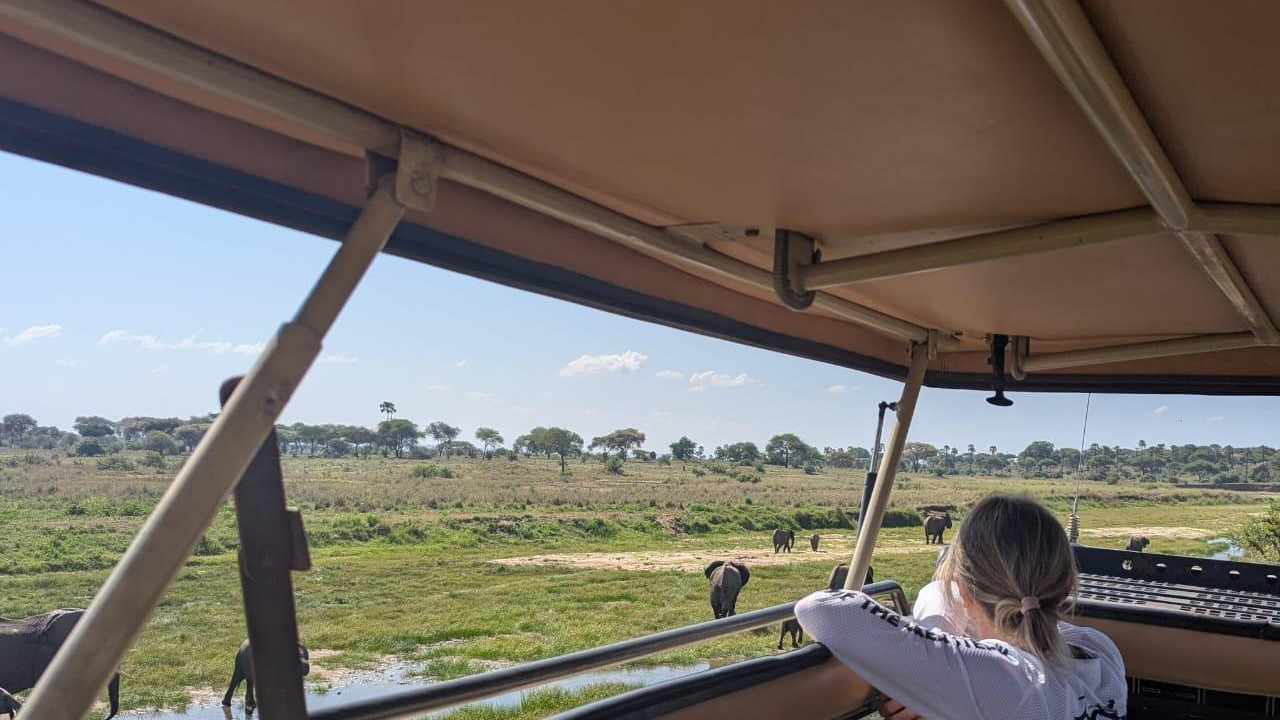
Experiencing the migration in person is a bucket-list adventure. Depending on what you want to see—the vulnerable moments of calving or the adrenaline-pumping river crossings—your timing and location in Tanzania will vary. You can take a traditional 4x4 vehicle safari, or opt for immersive options like walking safaris and hot air balloon rides. [1, 2, 3]