Ready to explore?
Begin Your Tanzanian Adventure
Our safari experts are ready to help you create the perfect itinerary tailored to your dreams and preferences. Contact us today to customize your experience.
Our safari experts are ready to help you create the perfect itinerary tailored to your dreams and preferences. Contact us today to customize your experience.
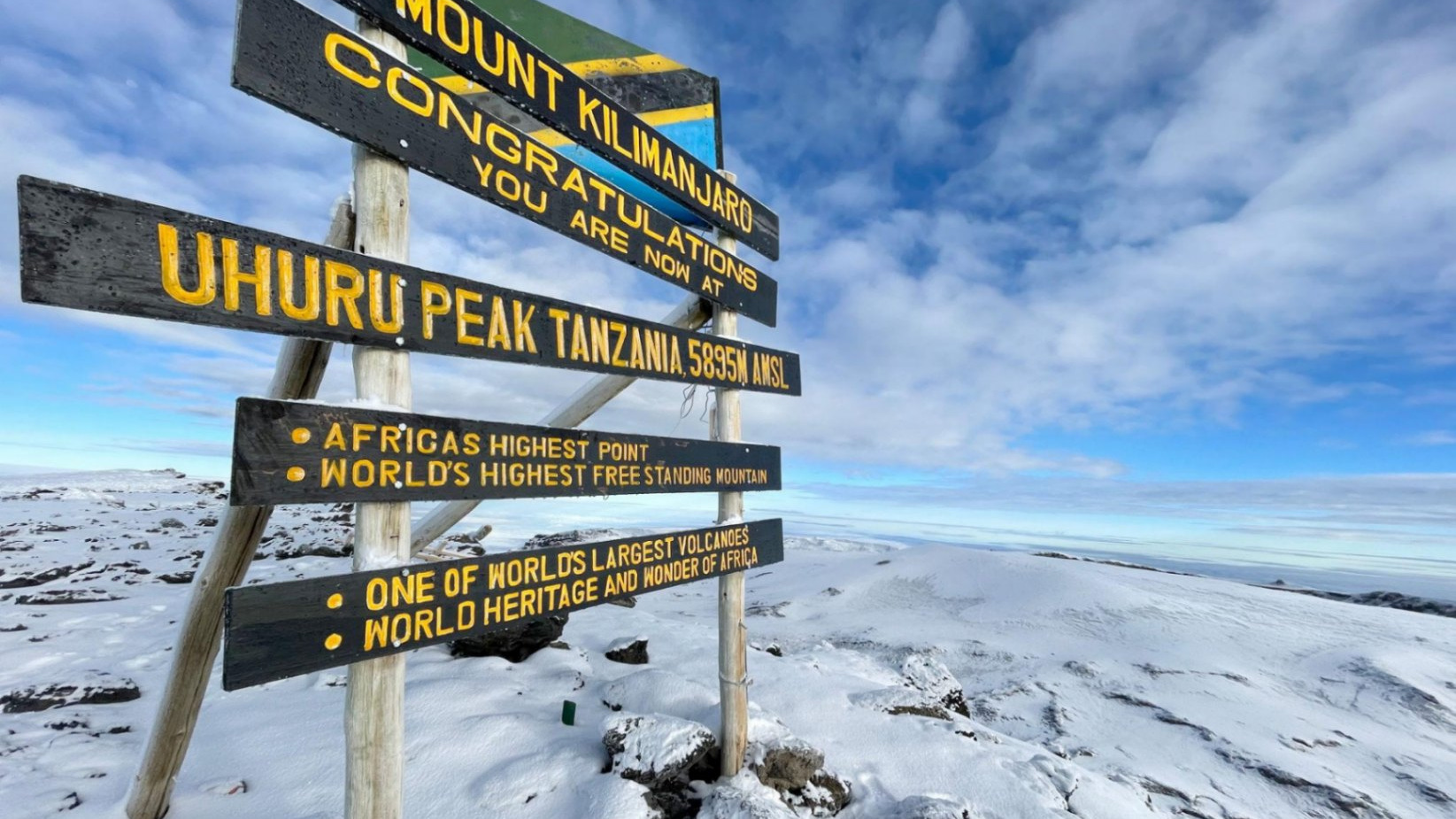
Northern Circuit, Tanzania
Type: Mountain
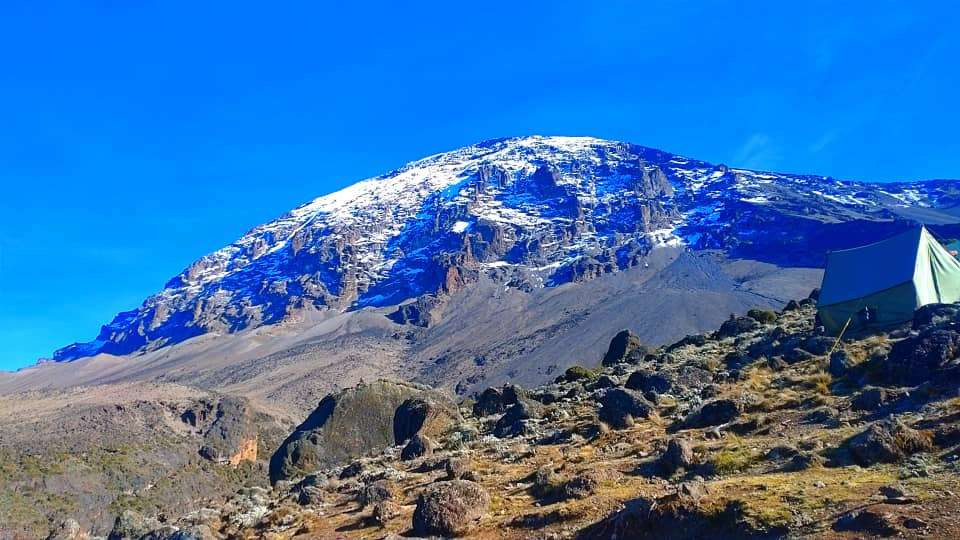
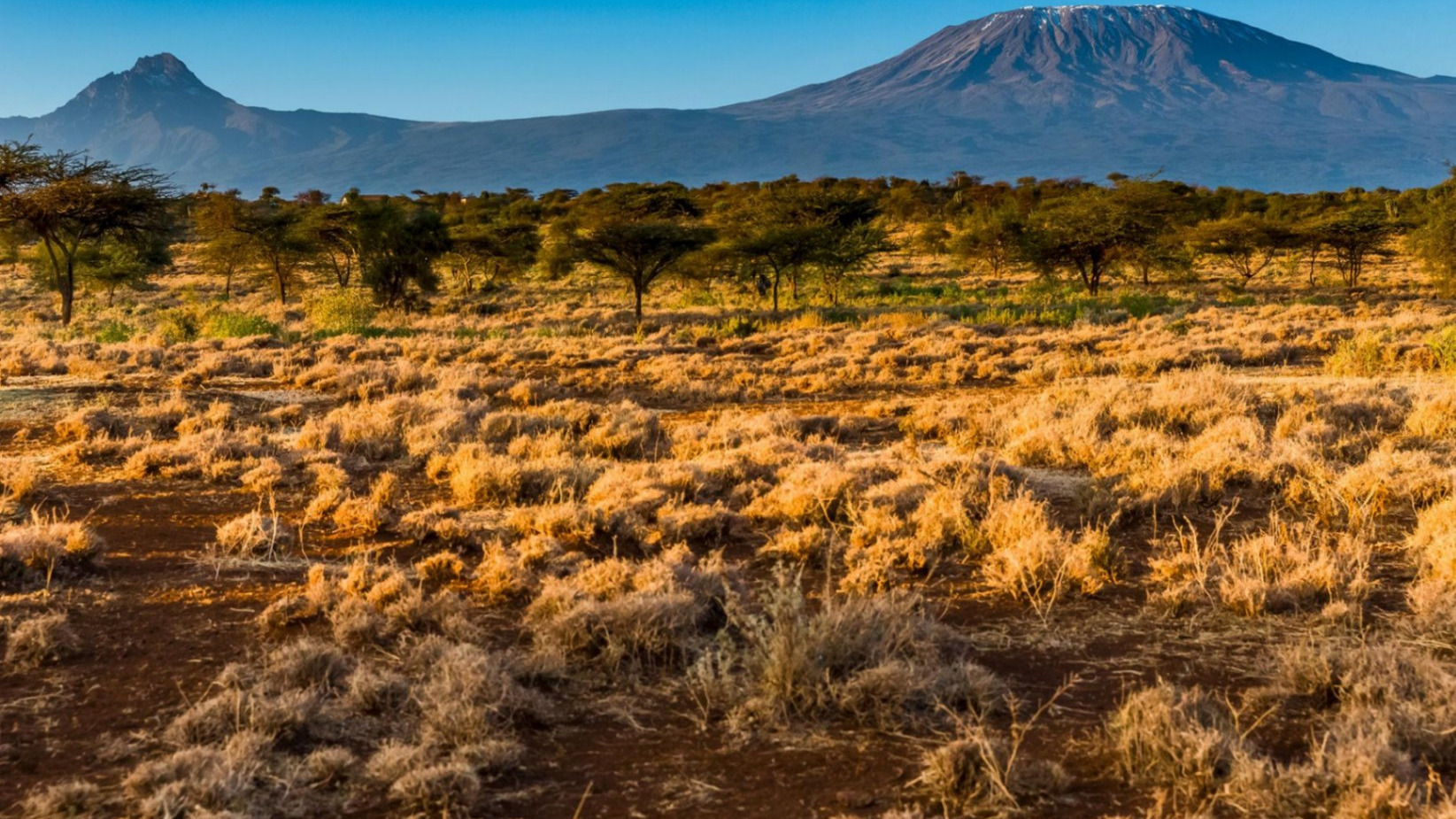
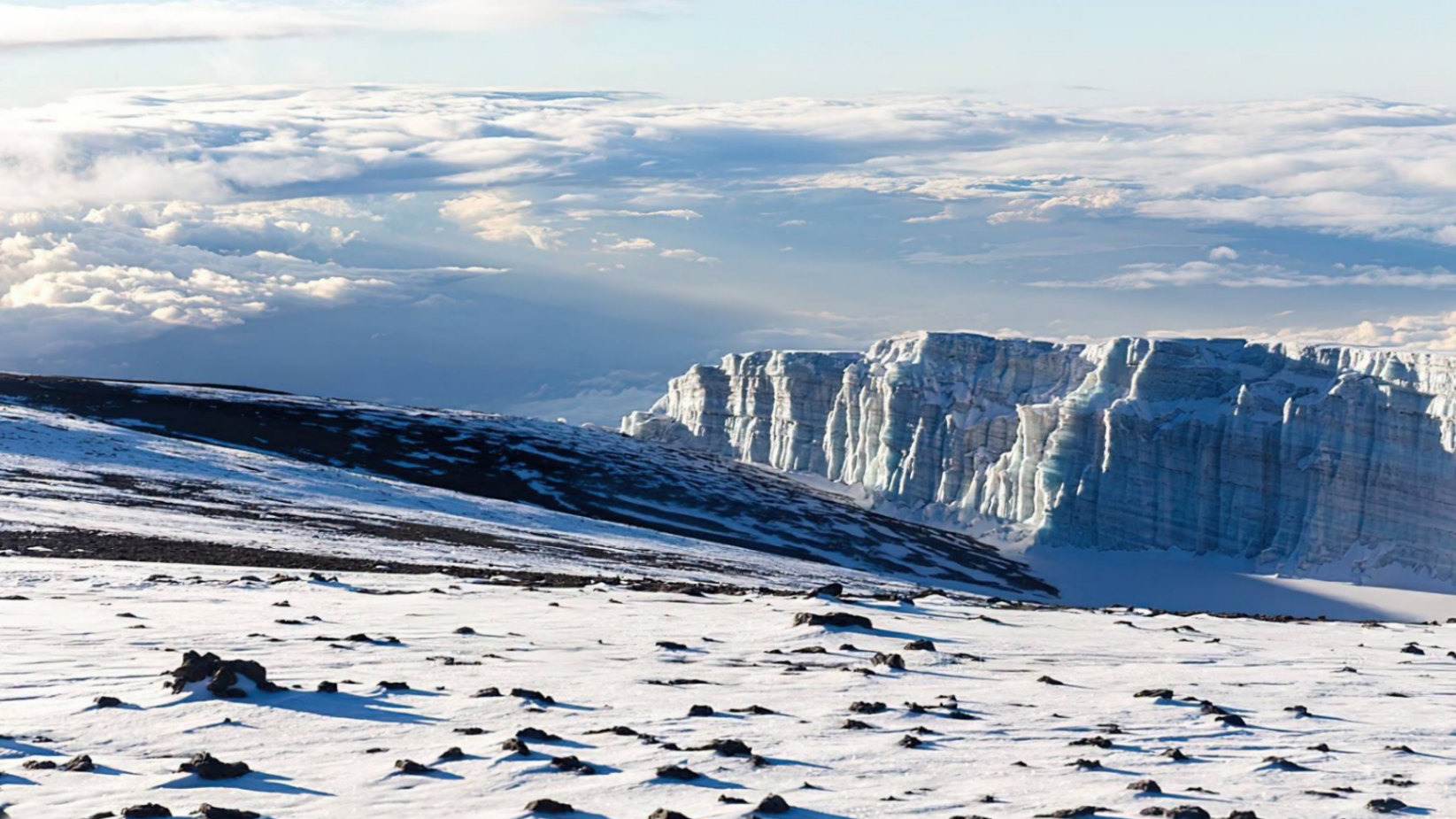
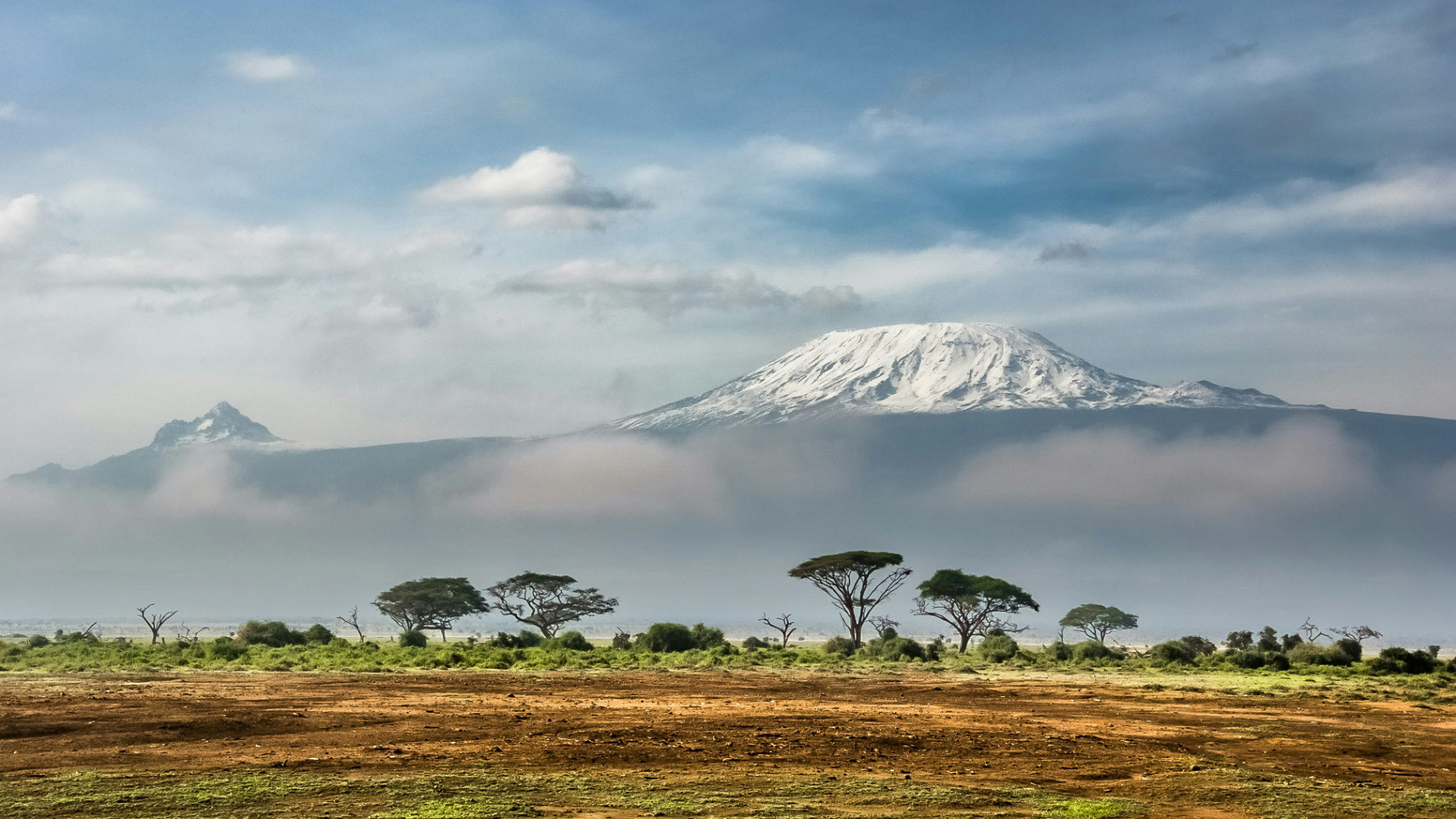
<p>Mount Kilimanjaro is Tanzania's most iconic natural landmark and the highest mountain in Africa, reaching 5,895 metres at Uhuru Peak. Located in northeastern Tanzania near the town of Moshi, this magnificent free-standing volcanic mountain attracts adventurers seeking the challenge of reaching its famous summit.</p><p></p><p>The mountain consists of three volcanic cones: Kibo, Mawenzi and Shira. Its landscapes change dramatically with altitude, from cultivated foothills and lush tropical rainforest to heathland, alpine desert and the icy summit. These contrasting environments make climbing Kilimanjaro a remarkable journey through several ecological zones.</p><p></p><p>There are several established trekking routes, including Machame, Marangu, Lemosho, Rongai, Northern Circuit and Umbwe. Each offers a different combination of scenery, duration and difficulty, allowing climbers to choose an itinerary suited to their experience and available time. Reaching Uhuru Peak is a rewarding achievement, with spectacular views across the surrounding African landscape.</p><p></p><ul><li>Beyond mountain climbing, the Kilimanjaro region offers opportunities to explore local Chagga culture, visit coffee plantations, discover waterfalls and experience the natural beauty of the surrounding foothills. Mount Kilimanjaro can also be combined with Tanzania's northern safari circuit or a beach holiday in Zanzibar.Africa's highest mountain at 5,895 metres</li></ul><p></p><ul><li>Three volcanic cones: Kibo, Mawenzi and Shira</li></ul><p></p>
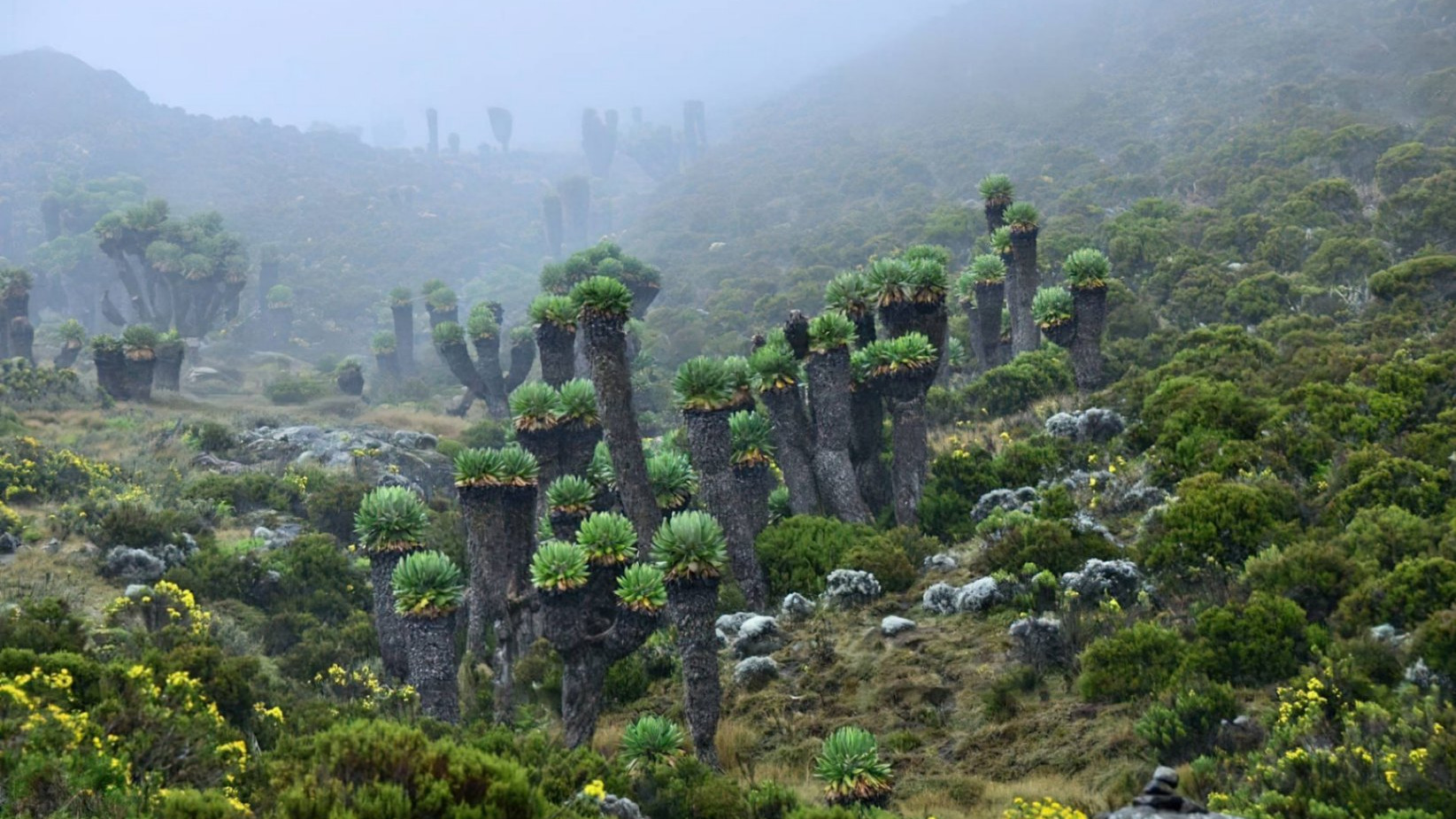
<p>Mount Kilimanjaro supports a variety of wildlife across its forest and mountain habitats. The lower rainforest zone is home to blue monkeys, black-and-white colobus monkeys, bushbabies, bushbucks, duikers and numerous forest bird species. Elephants and leopards also inhabit parts of the mountain's forest, although sightings are uncommon. Higher elevations support fewer large animals but offer unique alpine vegetation, including giant groundsels and lobelias, which create a distinctive mountain ecosystem.</p>
<p>Mount Kilimanjaro supports a variety of wildlife across its forest and mountain habitats. The lower rainforest zone is home to blue monkeys, black-and-white colobus monkeys, bushbabies, bushbucks, duikers and numerous forest bird species. Elephants and leopards also inhabit parts of the mountain's forest, although sightings are uncommon. Higher elevations support fewer large animals but offer unique alpine vegetation, including giant groundsels and lobelias, which create a distinctive mountain ecosystem.</p>
<p>The best periods to climb Mount Kilimanjaro are generally January to early March and June to October. These months usually offer more favourable weather, clearer mountain views and better trekking conditions. January to March is often quieter, while June to October is the main dry-season climbing period and attracts many climbers. April and May are generally wetter, making trails more challenging.</p>