Ready to explore?
Begin Your Tanzanian Adventure
Our safari experts are ready to help you create the perfect itinerary tailored to your dreams and preferences. Contact us today to customize your experience.
Our safari experts are ready to help you create the perfect itinerary tailored to your dreams and preferences. Contact us today to customize your experience.
Northern Circuit, Tanzania
Type: Conservation Area
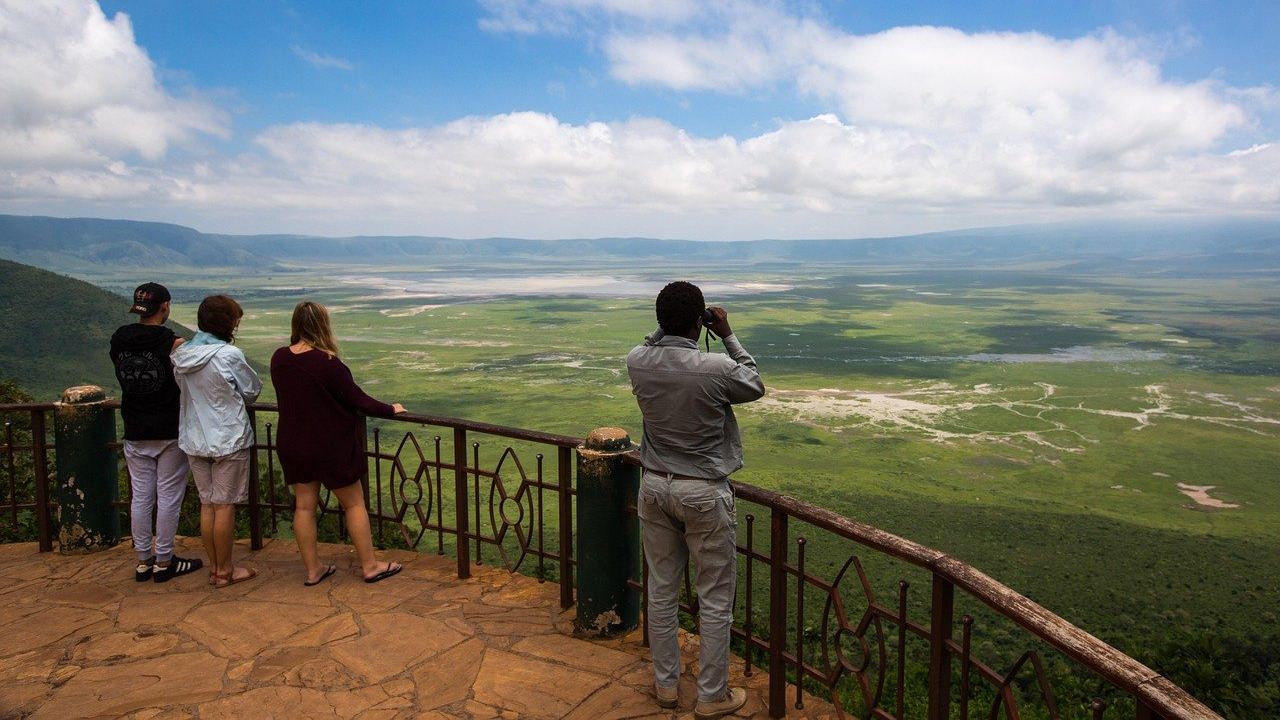
Ngorongoro Crater is one of Africa's most extraordinary natural wonders and among the world's most remarkable safari destinations. Located within the Ngorongoro Conservation Area in northern Tanzania, the crater is the largest intact and inactive volcanic caldera on Earth, measuring approximately 20 kilometers across and covering more than 260 square kilometers. Formed nearly two to three million years ago after a massive volcanic eruption caused the mountain to collapse inward, the crater has evolved into a self-contained ecosystem rich in wildlife and breathtaking scenery. Its steep forested walls surround an expansive floor of open grasslands, freshwater lakes, swamps, acacia woodlands, and seasonal wetlands, creating an ideal habitat for an incredible variety of animals. The Ngorongoro Crater is often referred to as "Africa's Garden of Eden" because of its extraordinary concentration of wildlife within a relatively small area. Unlike many other safari destinations where animals move across vast landscapes, the crater's permanent water sources and abundant grazing allow many species to remain inside the caldera throughout the year. This unique environment offers some of the highest wildlife densities in Africa and provides exceptional opportunities to observe predators and prey living side by side. The Ngorongoro Conservation Area is also unique because it balances wildlife conservation with the traditional way of life of the Maasai people, who continue to graze their livestock in designated areas while preserving the region's remarkable natural heritage. As a UNESCO World Heritage Site, the Ngorongoro Crater combines outstanding wildlife, dramatic geological history, and rich cultural significance into one unforgettable destination.
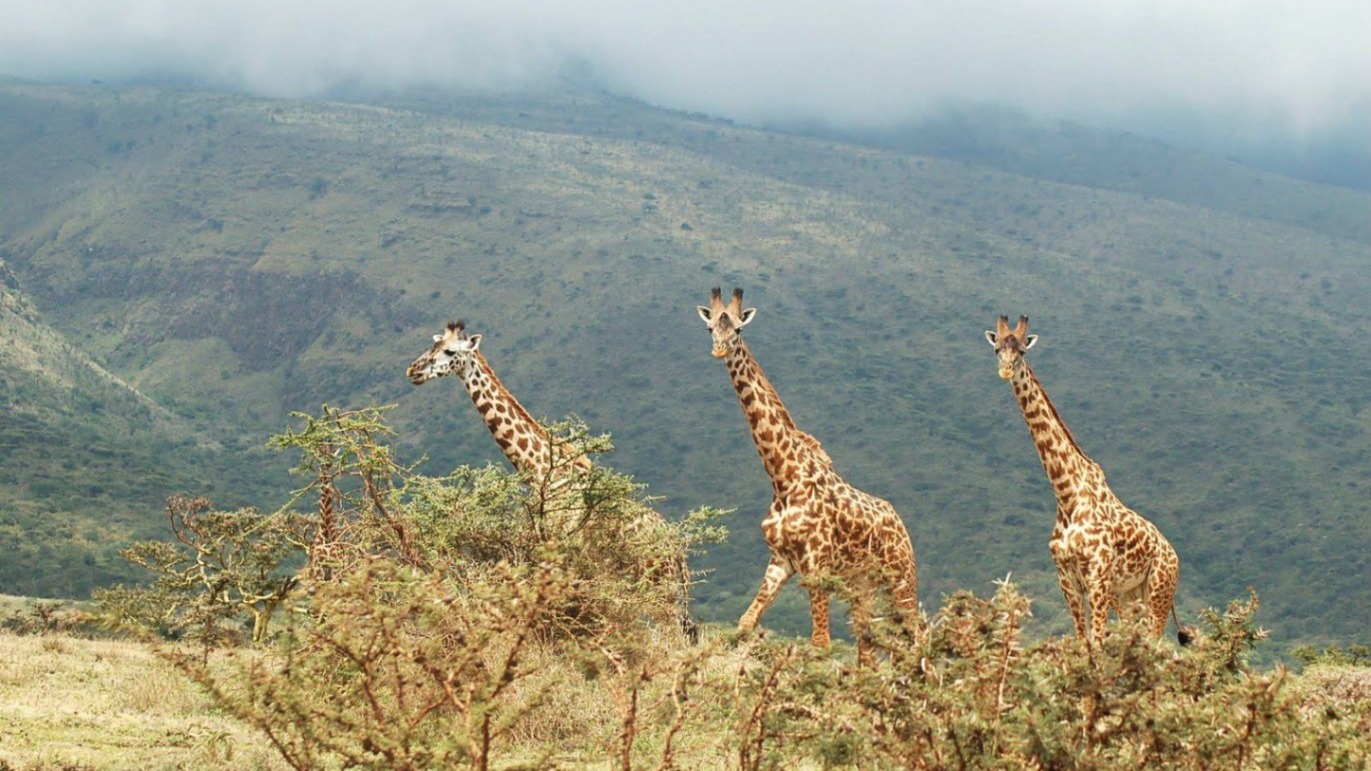
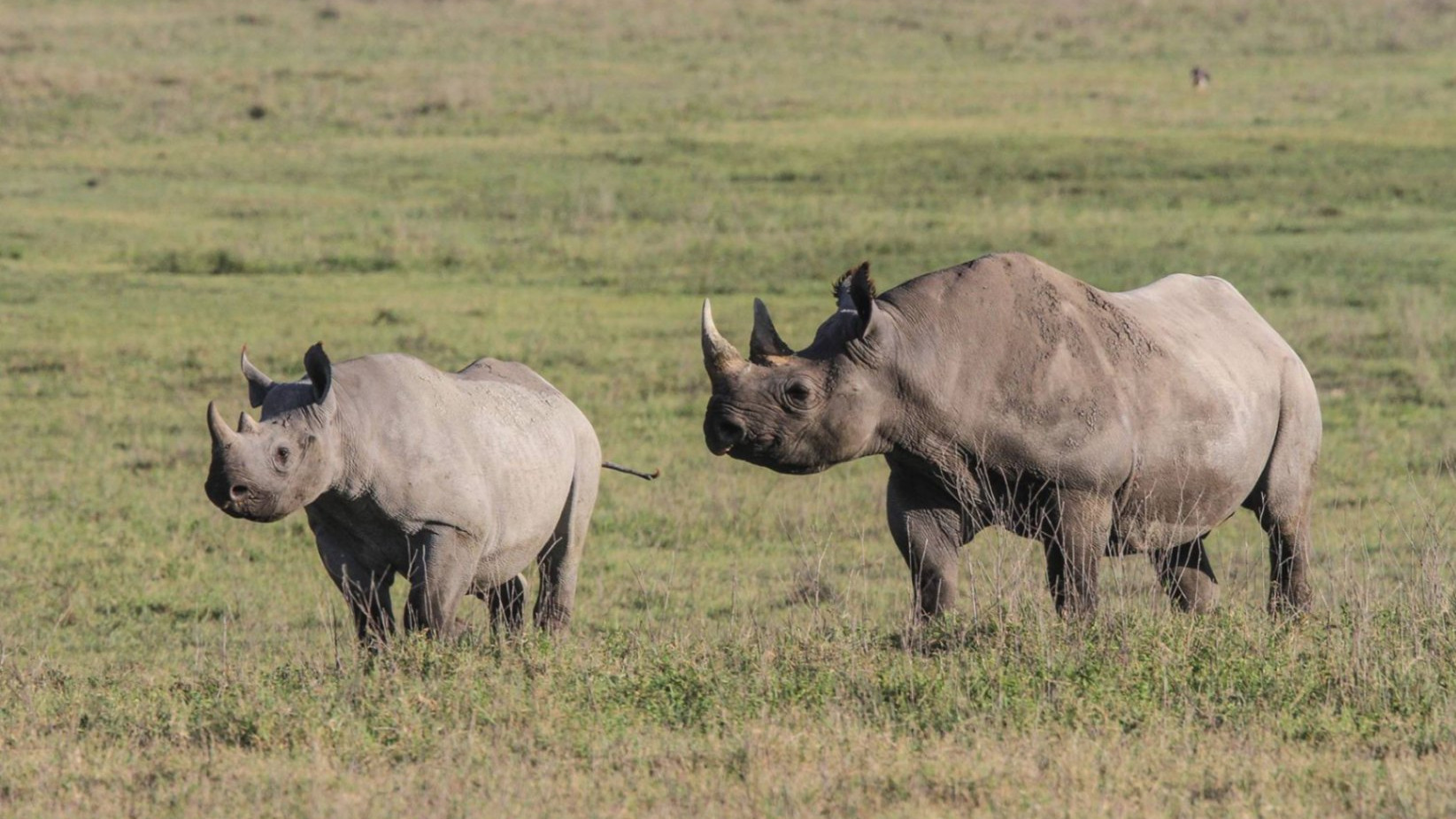
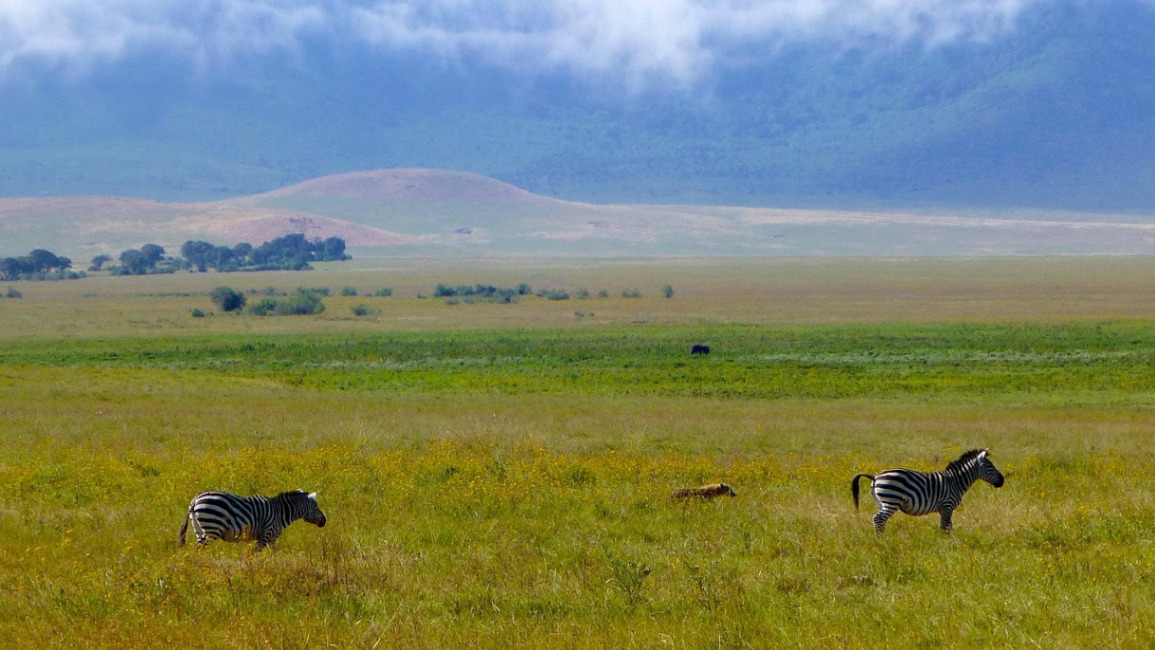
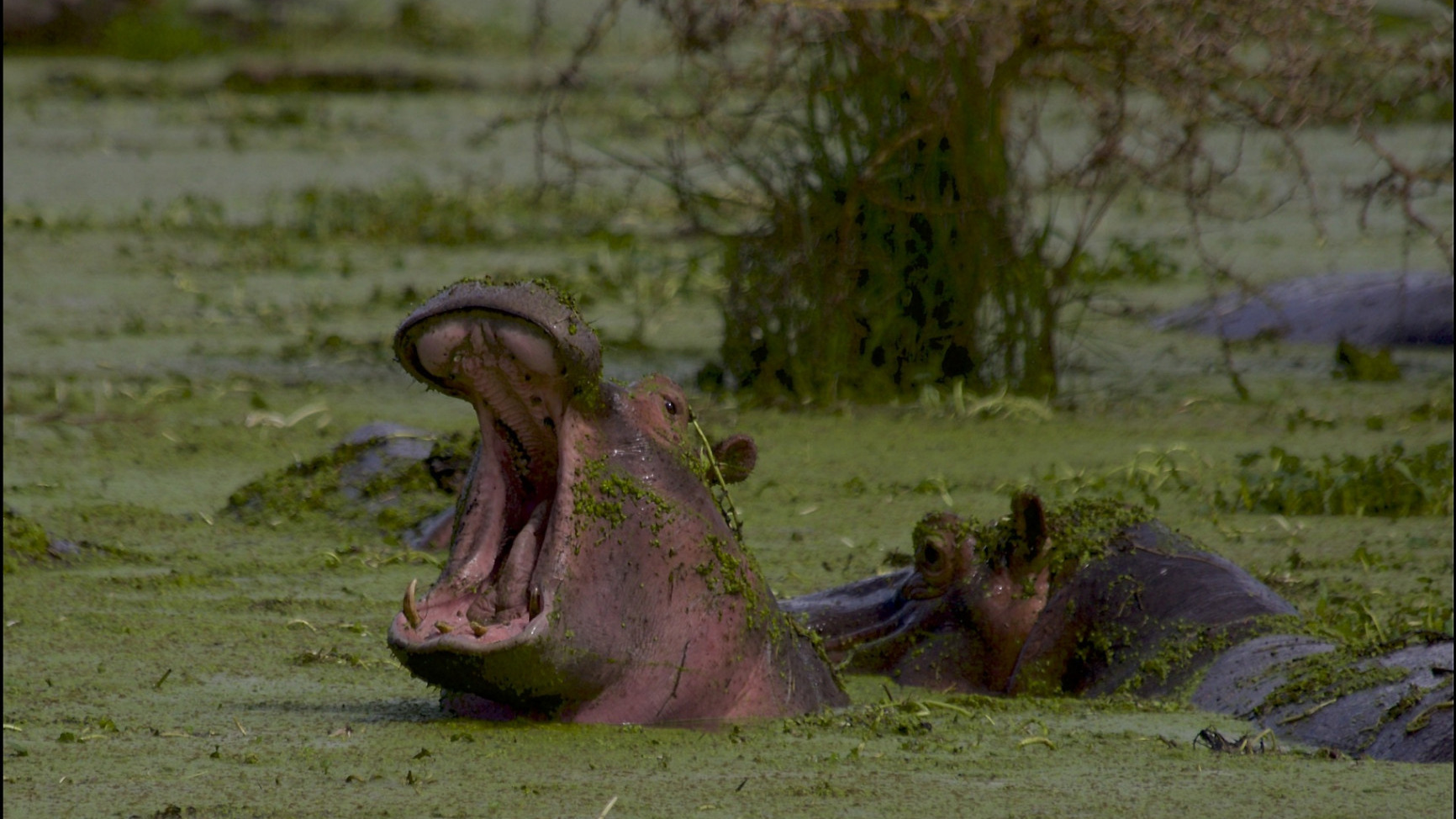
The Ngorongoro Crater supports an astonishing diversity of wildlife, including all members of the Big Five, making it one of the few places in Tanzania where visitors have an excellent chance of seeing the endangered black rhinoceros. Lions, leopards, elephants, African buffaloes, spotted hyenas, jackals, cheetahs, and servals are among the park's most notable predators and carnivores. Large populations of wildebeests, zebras, gazelles, elands, hartebeests, waterbucks, reedbucks, warthogs, and hippos thrive on the crater floor, while Lake Magadi attracts thousands of flamingos and numerous other waterbirds. More than 500 bird species have been recorded throughout the conservation area, making it an exceptional destination for birdwatching.
A safari to the Ngorongoro Crater typically begins with a scenic descent from the crater rim onto the caldera floor, where visitors enjoy an action-packed game drive through one of Africa's richest wildlife habitats. A full-day safari provides excellent opportunities to encounter a wide variety of animals in a single visit, while photographers benefit from the crater's stunning landscapes and consistently excellent wildlife viewing. The crater is commonly combined with Serengeti National Park, Tarangire National Park, Lake Manyara National Park, and Arusha National Park to create a classic northern Tanzania safari itinerary. Visitors can also enjoy cultural experiences by visiting nearby Maasai communities or exploring other attractions within the Ngorongoro Conservation Area.
The Ngorongoro Crater is a year-round safari destination because wildlife remains within the crater throughout the seasons. The dry season, from June to October, offers comfortable temperatures, clear skies, and excellent wildlife viewing as animals gather around water sources and open grasslands. During the green season, from November to May, the crater becomes lush and vibrant, with beautiful scenery, abundant birdlife, and fewer visitors. Rainfall is generally moderate, and game viewing remains outstanding throughout the year, making the crater one of Tanzania's most reliable safari destinations regardless of the season.